
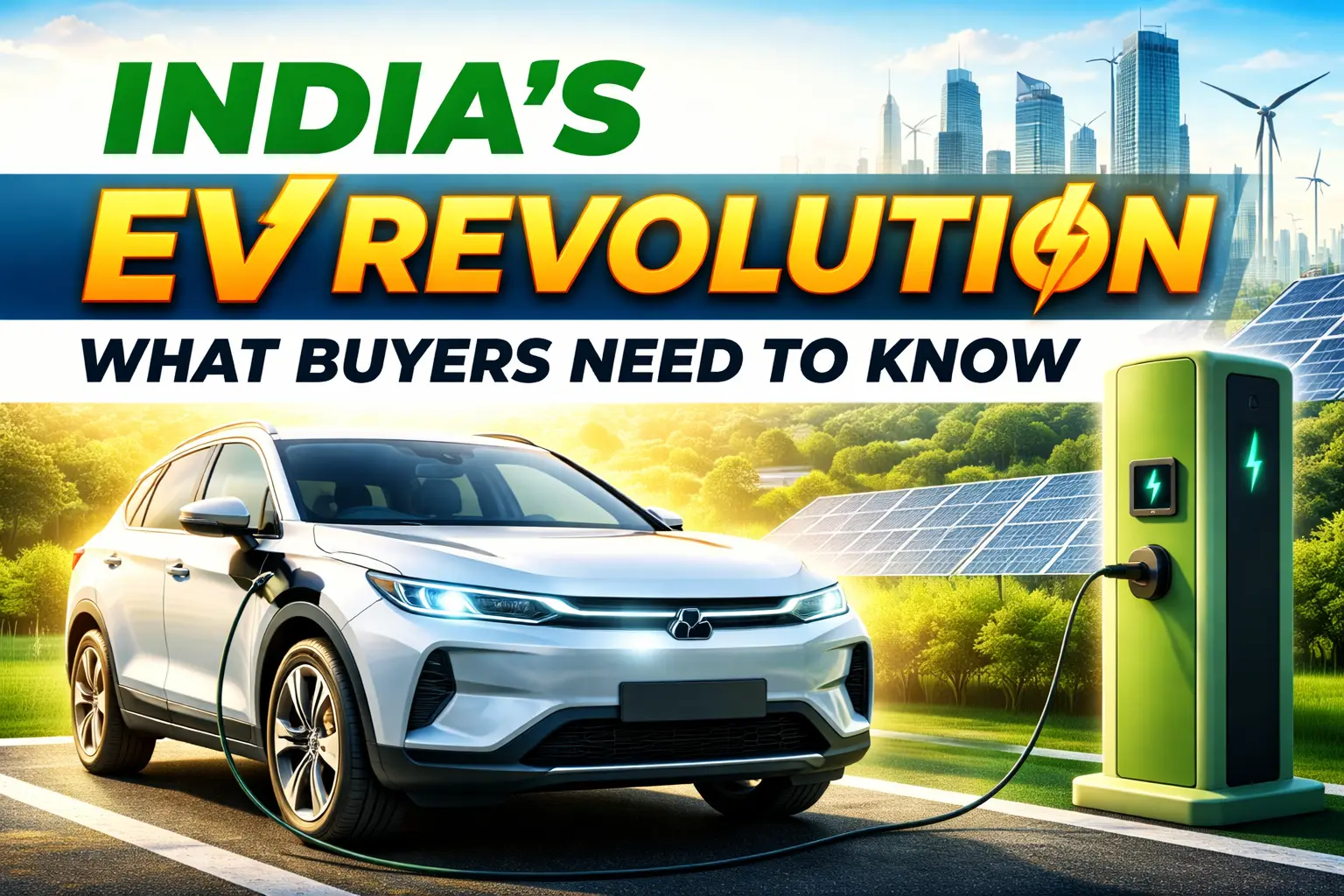
India’s electric vehicle (EV) transition is accelerating — driven by clearer policy support, rapidly improving battery tech and a growing model lineup. For Indian buyers the decision is no longer just “eco-friendly” — it’s about real-world ownership economics, charging convenience and long-term value.
What’s changing now
- Government incentives and state-level subsidies continue to lower the effective price for many EVs. States differ widely in their EV policies (registration rebates, road tax exemptions, or direct incentives), so buyers should check local incentives before purchase.
- Automakers are offering longer battery warranties and new ownership models (Battery-as-a-Service, subscriptions) to reduce the high upfront cost barrier.
Practical buying checklist
- Real-world range: Ask for city/highway range figures or test drives that mimic your usual commute. WLTP or lab numbers often overstate achievable range.
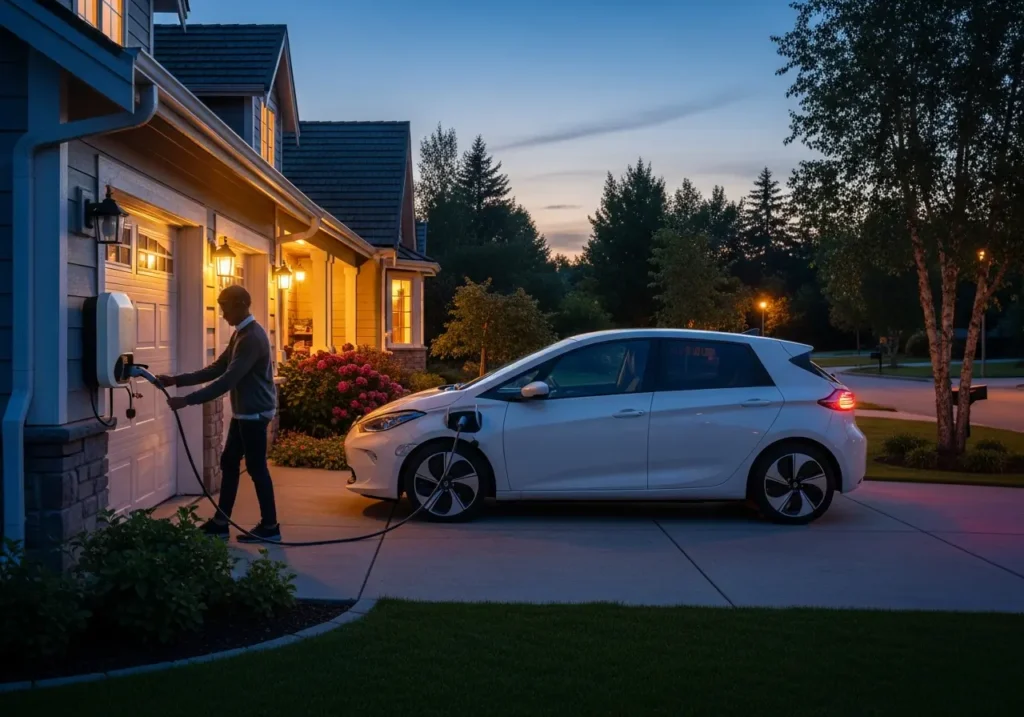
- Charging strategy: Decide whether you’ll primarily rely on home charging (overnight AC charging) or public fast chargers (DC). Home charging is most convenient for daily top-ups; long trips require a mapped network of DC fast chargers.
- Battery warranty & replacement policy: Check years/kilometers covered and the battery degradation threshold at which warranties apply. Some manufacturers offer explicit replacement or buyback guarantees.
- Total cost of ownership (TCO): Factor electricity vs petrol costs, lower maintenance, state subsidies, and potential battery replacement costs. Longer warranty and roadside support can reduce unexpected costs.
- After-sales service & spares: Local service network and availability of spare parts remain crucial for long-term peace of mind.
Ownership tips
- Install a dedicated home charger with a qualified electrician. Use a dedicated earthing and circuit breaker for safety.
- Use manufacturer or reliable third-party apps to check charger availability in real time and plan trips.
- If you drive long distances frequently, prefer models with strong DC fast-charging performance and a nationwide service network.
Interesting / headline-worthy facts
- Many EV owners find average monthly running costs fall dramatically compared to petrol cars once charging at home is included.
- New financing models (subscription, BaaS) are changing the purchase economics — they reduce upfront cost while keeping monthly outflow predictable.
Takeaway: Buying an EV in India today requires matching your daily driving pattern to the vehicle’s realistic range and charging options, and choosing warranty/support that keeps surprises low.